
Experts in deciphering how catalytic reactions unfold, Catalysis Mechanism Analysts specialize in breaking down complex chemical processes into their fundamental steps. They investigate how reactants interact with active sites, identify transient intermediates, and determine the energy profiles of catalytic cycles using tools such as spectroscopic techniques, isotope labeling, reaction kinetics, and quantum chemical simulations. Their role is to build a detailed understanding of how catalysts work at the molecular level, which is crucial for optimizing performance, improving selectivity, and minimizing energy input or waste in chemical processes. They also help validate experimental observations by aligning them with theoretical mechanisms for greater predictive control.
Catalysis Mechanism Analysts provide the mechanistic insights needed to guide the rational design of both homogeneous and heterogeneous catalysts. By identifying rate-determining steps and deactivation pathways, they help enhance catalyst longevity and efficiency in processes ranging from fuel production to pharmaceutical synthesis. Their analyses often support computational modelers and experimental chemists in aligning theoretical predictions with observed behavior. These experts also contribute to the discovery of novel catalytic routes and materials, promoting more sustainable and cost-effective technologies. Through their work, catalysis mechanism analysts transform abstract chemical pathways into actionable knowledge that drives innovation in catalyst development and industrial process optimization.
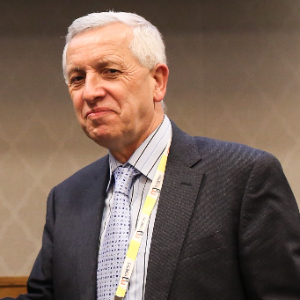
Stanislaw Dzwigaj
Sorbonne University, France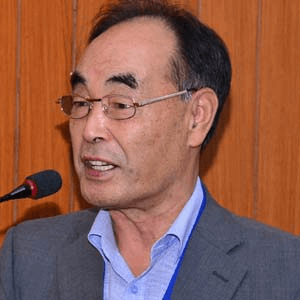
Dai Yeun Jeong
Asia Climate Change Education Center , Korea, Republic of
Samy Ponnusamy
MilliporeSigma, United States
Gustaaf Schoukens
Ghent University, Belgium
Oluwaseun Akinrinde
University of South Florida, United States
Maria Parfenova
Institute of Physical Materials Science, Russian Federation
Valyaev Alexander
Nuclear Safety Institute of the Russian Academy of Sciences, Russian Federation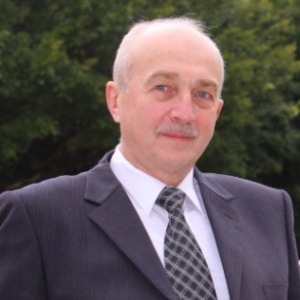


Title : Application of vanadium and tantalum single-site zeolite catalysts in heterogeneous catalysis
Stanislaw Dzwigaj, Sorbonne University, France
Title : Indicators for evaluating green management practice of enterprises
Dai Yeun Jeong, Asia Climate Change Education Center , Korea, Republic of
Title : DOZN™3.0 - A quantitative green chemistry evaluator for a sustainable future
Samy Ponnusamy, MilliporeSigma, United States
Title : Towards integrated biodesign-inspired translational platforms to co-develop innovative biotechnologies, biomanufacturing and biomarketing to revolutionize the future of personalized & precision healthcare and life science bioindustry
Sergey Victorovich Suchkov, N.D. Zelinskii Institute for Organic Chemistry of the Russian Academy of Sciences, Russian Federation
Title : Nanocomposite materials for structured catalysts of fuels reforming, catalytic layers in membrane reactors for oxygen and hydrogen separation and fuel cell anodes operating in the internal reforming mode
Vladislav Sadykov, Boreskov Institute of Catalysis, Russia, Russian Federation
Title : Green nanobiocatalysts for sustainable ester production: Advancing lipase immobilization and process optimization
Praveen Dahiya, Amity University Uttar Pradesh, India