
Electrochemistry is a field within chemistry that focuses on examining the conversion between electrical energy and chemical energy. It explores the relationship between electricity and chemical reactions, particularly redox reactions, which involve the transfer of electrons between reactants. One of the fundamental concepts in electrochemistry is the electrochemical cell, which consists of two electrodes (anode and cathode) immersed in an electrolyte solution. The anode is where oxidation occurs, leading to the loss of electrons, while the cathode is where reduction takes place, resulting in the gain of electrons.
Electrochemical cells can be classified into two main types: galvanic cells and electrolytic cells. Galvanic cells, also known as voltaic cells, spontaneously convert chemical energy into electrical energy. They are commonly found in batteries and fuel cells. On the other hand, electrolytic cells require an external source of electrical energy to drive non-spontaneous chemical reactions, such as electrolysis processes used for electroplating and the production of metals.Key parameters in electrochemistry include electrode potential, which measures the tendency of an electrode to gain or lose electrons, and cell potential, which represents the driving force behind a redox reaction. These parameters are crucial for understanding the feasibility and spontaneity of electrochemical processes.
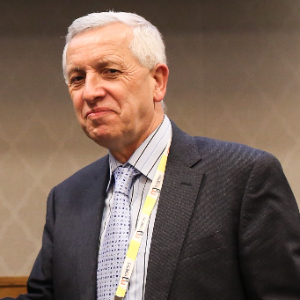
Stanislaw Dzwigaj
Sorbonne University, France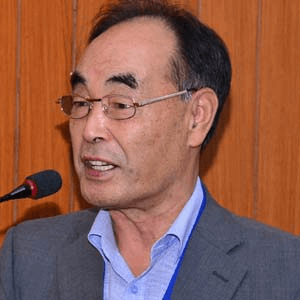
Dai Yeun Jeong
Asia Climate Change Education Center , Korea, Republic of
Samy Ponnusamy
MilliporeSigma, United States
Gustaaf Schoukens
Ghent University, Belgium
Oluwaseun Akinrinde
University of South Florida, United States
Maria Parfenova
Institute of Physical Materials Science, Russian Federation
Valyaev Alexander
Nuclear Safety Institute of the Russian Academy of Sciences, Russian Federation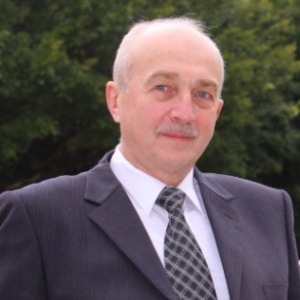


Title : Application of vanadium and tantalum single-site zeolite catalysts in heterogeneous catalysis
Stanislaw Dzwigaj, Sorbonne University, France
Title : Indicators for evaluating green management practice of enterprises
Dai Yeun Jeong, Asia Climate Change Education Center , Korea, Republic of
Title : DOZN™3.0 - A quantitative green chemistry evaluator for a sustainable future
Samy Ponnusamy, MilliporeSigma, United States
Title : Towards integrated biodesign-inspired translational platforms to co-develop innovative biotechnologies, biomanufacturing and biomarketing to revolutionize the future of personalized & precision healthcare and life science bioindustry
Sergey Victorovich Suchkov, N.D. Zelinskii Institute for Organic Chemistry of the Russian Academy of Sciences, Russian Federation
Title : Nanocomposite materials for structured catalysts of fuels reforming, catalytic layers in membrane reactors for oxygen and hydrogen separation and fuel cell anodes operating in the internal reforming mode
Vladislav Sadykov, Boreskov Institute of Catalysis, Russia, Russian Federation
Title : Green nanobiocatalysts for sustainable ester production: Advancing lipase immobilization and process optimization
Praveen Dahiya, Amity University Uttar Pradesh, India